
From regional news studios to a full consultancy
mixlyra was founded in York in 2014 by Helen Marsden, a studio systems engineer who had been building broadcast studios for regional news teams. The company has grown around the same idea: live television should be dependable on an ordinary working day.
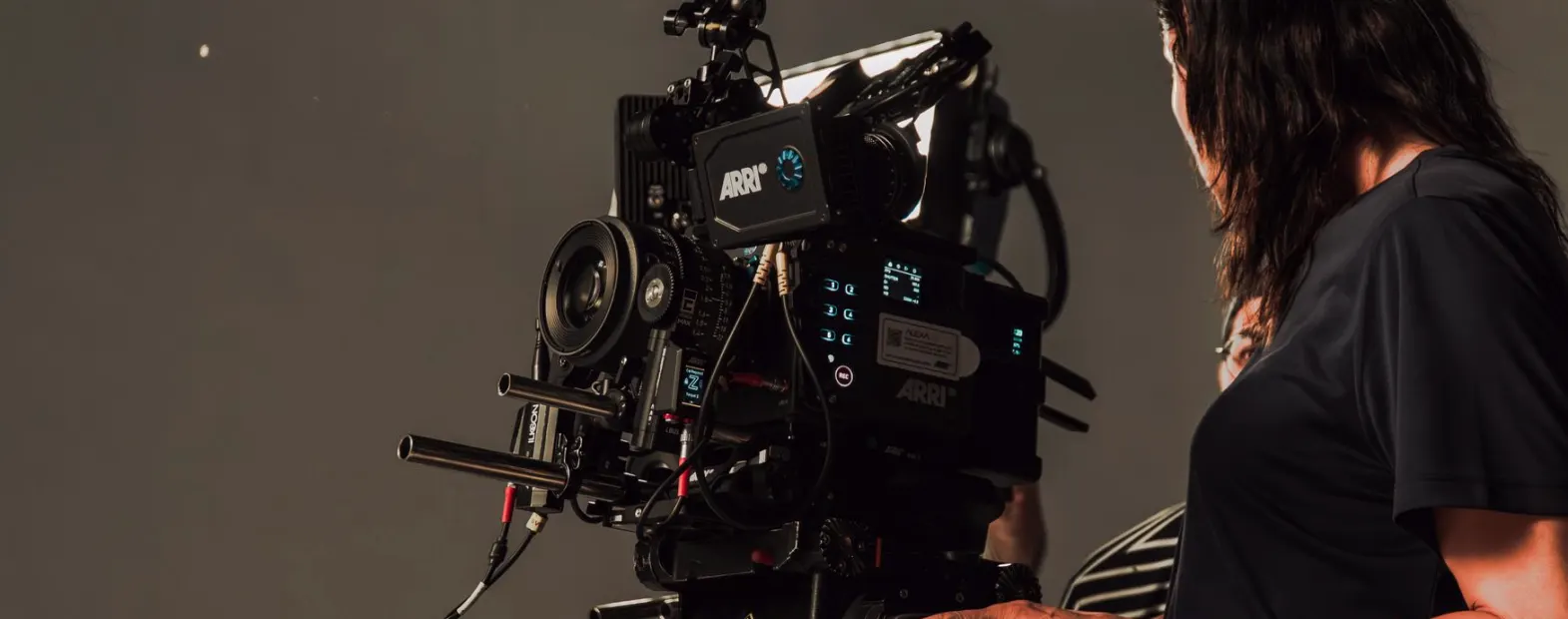
Helen started by integrating equipment for news rooms that needed to go to air every day with a small crew. The lesson from those early projects was that the equipment mattered less than the habits around it: labelling, testing and written procedures decided whether a bad day stayed small.
As clients asked for more, the company added people with deeper skills in single areas. James Whitaker joined to train camera operators, Priya Nair to deal with acoustics and microphone layouts, and Daniel Okafor to design lighting. Each brought practical experience of real rooms rather than ideal ones.
Today mixlyra works with broadcasters, universities and production companies, on anything from a compact news desk to a multi-camera interview or entertainment show. Some clients ask for a single service, such as a lighting plan; others want the whole studio considered together.
We keep the way we work consistent. A site visit comes first, then a written scope, then the work itself, then a handover with documents and training. Clients know what happens next at every stage and who is responsible for it.
The office is at 14 Navigation Road in York, and most of the work happens in our clients' studios. We would rather spend time in your gallery watching a real programme than describe solutions from a distance.
What clients can expect from our work
Our approach is built around the people who will run the studio after we leave. These are the habits that shape each project, whatever its size.
ServicesWritten scope first
Before work begins you receive a clear description of what is included, what is not and what we need from your team.
Hands-on testing
We test equipment, audio and lighting in the studio itself, under the conditions of your real programmes.
Crew training
Operators and engineers learn the system as it is built, so knowledge stays in your team.
Dependable routines
Run sheets and fault procedures give every programme a known starting point and a known fallback.