Services
Six areas of studio and live production work, from wiring a control room to training the crew who run it every day, delivered on site and written up clearly.
Six areas of live television work
Studio Equipment Integration
We design and wire vision mixers, routers, intercom and monitoring into one dependable studio system. Cable schedules, labelling and signal flow diagrams are documented so your own engineers can maintain it.
Camera Setup and Technique
Camera positions, lens choice and operator coaching for news desks, interviews and live shows. We work with your operators at the pedestal so framing and movement stay consistent from shot to shot.
Acoustic Optimisation
Treatment plans and microphone placement that keep speech clear and studio noise under control. We measure the room first, then recommend panels, positions and fixes that suit the space you actually have.
Lighting Design
Key, fill and backlight plans with dimmable fixtures that suit presenters and cameras alike. We consider heat, power draw and rigging height so the set looks right and stays comfortable.
Live Production Workflow
Run sheets, rehearsal plans and fault procedures so live programmes go to air smoothly. We write them with your producers and gallery crew, so everyone knows their cue and the fallback.
Technical Audits and Training
On-site reviews of your studio with a written report and hands-on training for your crew. The report lists what works, what is at risk and what to fix first, in plain language.
Studio Equipment Integration, step by step
This service suits studio managers and technical leads who are building a new gallery or untangling an older one. We plan the system on paper first, then wire, label and test it with your team.
Contact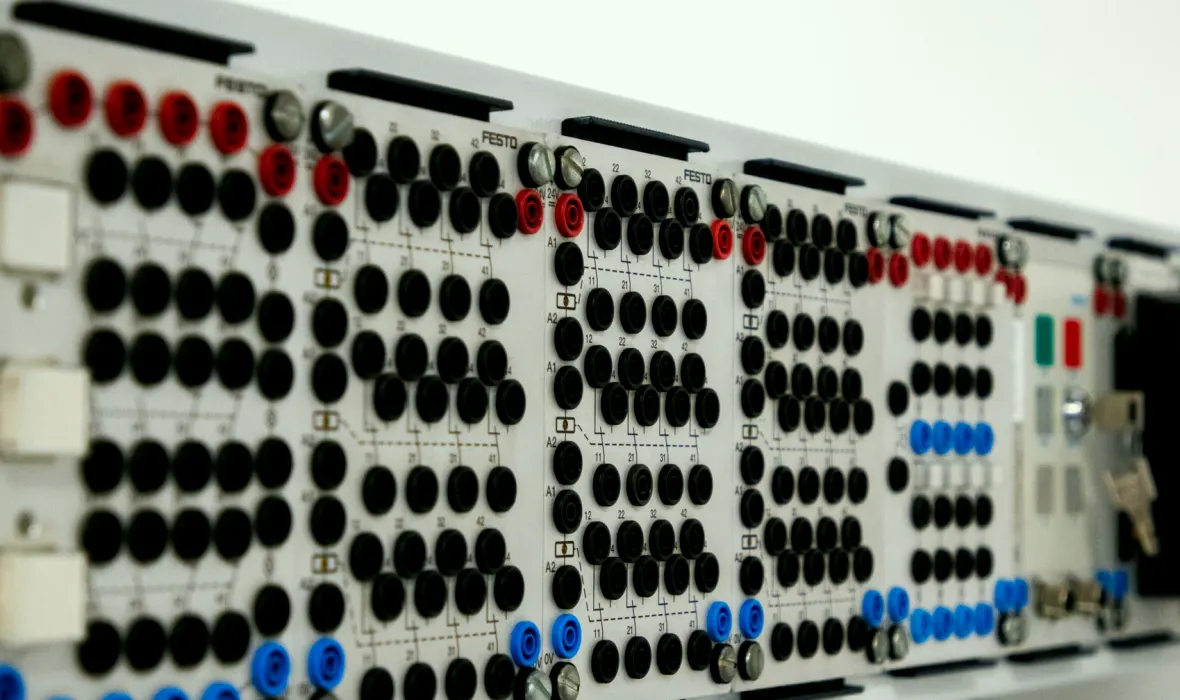
- Signal flow design
- We map every source, destination and monitoring path before any cable is run. You receive a diagram showing how video, audio and tally move through the vision mixer, router and intercom.
- Wiring and labelling
- Cabling is run to a consistent standard, with labels at both ends and a schedule that matches. When a fault appears at short notice, your engineer can trace it quickly.
- Intercom and monitoring
- We set up talkback groups and monitor walls so each role hears and sees what it needs. Layouts are agreed with the director and vision mixer operator beforehand.
- Testing and handover
- Each path is tested under realistic conditions, and any faults are logged and cleared. We hand over the documentation and walk your crew through the system.
Please gather existing equipment lists, room plans and any earlier wiring diagrams before we begin. Even partial or out-of-date drawings save time on site.
From first enquiry to a studio that runs
Every engagement follows the same plain sequence, so you know what is happening and what you will receive. We keep the steps short, document each one, and agree the scope in writing before any work begins on site.
Enquiry and scoping
You tell us about your studio, your programmes and the problem you want solved through the contact page. We ask follow-up questions and, where it helps, look at photographs or drawings of the space.
What you leave withA shared understanding of the brief and the services involved.
Site visit
We visit the studio, see the equipment, rooms and crew at work, and take measurements where needed. The visit shows us how the studio really runs, not only how it is meant to.
What you leave withNotes and measurements recorded from your actual studio.
Written quotation
We set out the work, what is included, what is not and what could change the cost. Nothing starts until you have read it and confirmed in writing.
What you leave withA written quotation with scope, inclusions and assumptions.
Delivery on site
We carry out the agreed work with your crew nearby, explaining decisions as we go. Changes to scope are discussed and confirmed before we act on them.
What you leave withInstalled, adjusted or reviewed work, tested with your team.
Documentation and handover
We finish with diagrams, reports, run sheets or training notes, depending on the work. Your crew keeps everything needed to operate and maintain the result.
What you leave withA documentation pack and a briefed crew.
What clients say about the work
The audit report was the clearest document we have had about our gallery. It listed what to fix first and why, and the cable schedule from the integration work has already saved us twice during live shows.
James spent a day at the pedestals with our operators. Shot matching on the two-camera interview set is noticeably more consistent, and the team now knows why.
Priya found the cause of our echo in an afternoon. The microphone positions she suggested cost very little and the dialogue is cleaner.
Our run sheets and fault procedures are now written down and rehearsed. The first live programme after the workshop went to air without the usual scramble.