
Behind the Scenes of an Acoustic Treatment Plan, from Room Survey to Mic Layout
How we measure a studio room, decide where treatment goes and place microphones so that speech stays clear, written from the point of view of a lighting designer who shares the floor.
Why a lighting designer writes about sound
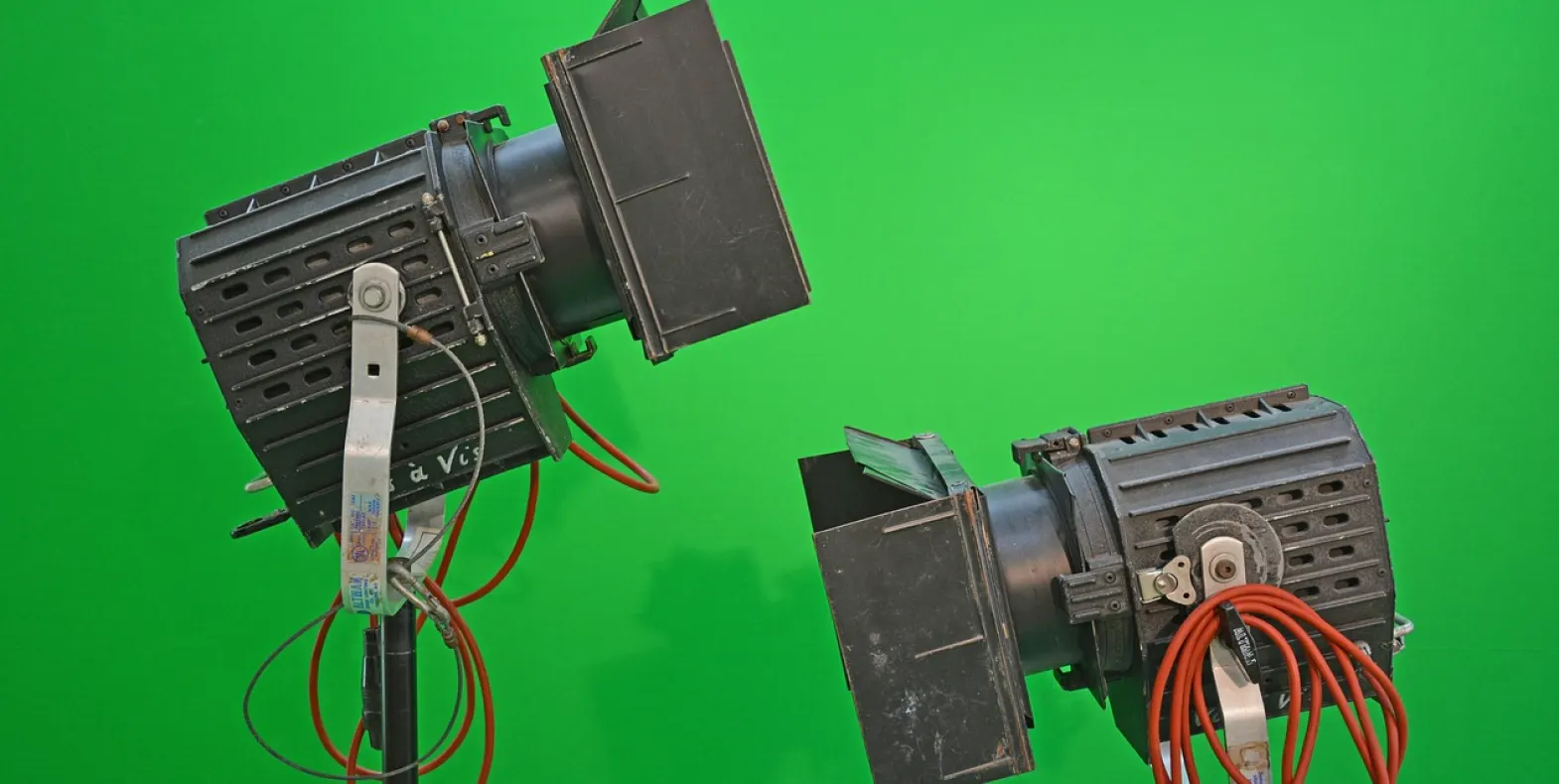
I design lighting, yet I spend a good part of every studio visit standing beside Priya Nair while she works on the room's sound. The two jobs collide constantly. A fixture hung in the wrong place throws a reflection or hums through a dimmer, and a panel placed for acoustic reasons can swallow a key light. So I have watched most of our acoustic work from a few metres away, and this account describes what I have seen rather than what I have been trained to calculate.
The first thing a visitor notices is how little of it is glamorous. There is a laptop, a small speaker, a measuring microphone on a stand, a tape measure and a lot of walking about. Nobody buys foam on the first morning. The first morning is for listening to the room and writing down what is wrong with it in plain words, such as boxy, ringing, noisy from the corridor or thin on the presenter's left.
The room survey comes before any product
Priya begins by clapping and talking in several positions, then plays test tones and records how long the sound lingers. She notes the floor, the ceiling height, any glass, the set walls, the air handling and what sits on the other side of each partition. A hard cyclorama behaves very differently from a drapes-and-carpet corner, and a flat roof over a studio tells you about rain noise before it ever rains.
She also asks the crew what bothers them. Operators often know that the left side of the desk sounds odd, or that the lift next door ruins takes at certain times. Those remarks steer the measurements far more than a generic checklist would. Everything goes into a short written note with sketches, so that the producer and the studio manager can read the same findings and agree on what matters most.
- Reverberation and flutter checked from presenter and guest positions
- Noise sources logged: ventilation, lighting gear, traffic, neighbours
- Crew complaints recorded in their own words
Deciding where treatment actually goes
The plan that follows is usually modest. Reflections from parallel walls and bare ceilings behind the talent do most of the damage to speech, so those surfaces are tackled first, while the rest of the room is left alone unless the measurements demand otherwise. Priya marks positions on a floor plan and checks each one against my lighting layout and against the camera sightlines James Whitaker has set, because a panel that appears in shot has simply moved the problem.
Thickness matters as much as coverage. Thin material tames brightness but leaves a muddy low end, and presenters notice that as a boom in the voice. We would rather propose fewer, deeper panels in the right places than a wall of thin ones. Where the set must stay clean, we look at fabric-covered units that can be rolled in for a recording and out again afterwards.
Microphone placement is half of the cure
A well-treated room still sounds poor if the microphone is in the wrong place. Distance to the mouth, angle off axis and the position relative to a hard desk surface all change what reaches the mixer. On news desks we often lower the microphone and angle it slightly, which reduces desk reflections and keeps it out of the camera's frame at the same time.
Priya tests every seat with the people who will sit in it, not with a stand-in. Voices differ, and so do habits: some presenters lean in, some lean away, some turn to the second guest mid-sentence. We adjust for the realistic range, then write the final positions and gain settings on a laminated sheet kept in the gallery. When a different operator takes the shift, the sheet saves a long, unhelpful guess at what the last person did.
- Test with the actual presenters and guests
- Reduce desk reflections before reaching for processing
- Record positions and gain on a sheet kept in the gallery
Noise control that has nothing to do with foam
Much of the noise we are called about is not an echo at all. It is a fan on a lighting dimmer rack, a camera pedestal that squeaks, a hum from a badly earthed cable or a door that nobody closes quietly. Fixing these is cheap and often more valuable than any panel. This is where my own work meets Priya's, because heat from fixtures decides how hard the ventilation runs, and the ventilation is usually the loudest thing in the room.
We sometimes move a noisy rack into a ventilated cupboard, or swap a fixture for one with a quieter fan, rather than treating the studio around it. Doors get seals, floors get pads under equipment, and crews get a brief reminder about footsteps during a live segment. None of it is exciting, and all of it shows up in the recording.
Checking the result and leaving something usable behind
After the work, Priya repeats the same measurements and records speech from the same seats, so that before and after can be compared by ear as well as on a chart. We listen with the crew, because a plan is only successful if the people who work in the room agree it is better. Small adjustments often follow, such as moving one panel by a hand's width or lowering a microphone a little.
The client keeps a short written summary: what was found, what was changed, where each item sits and how to keep it that way. Treatment is not a one-off event. Sets change, sponsors' furniture arrives, and a new backdrop can undo a good result, so we encourage studio managers to re-check by ear whenever the layout changes noticeably.
- Repeat the original measurements in the same positions
- Listen to recorded speech with the crew
- Hand over a plain written record of every change
Acoustic work looks like patient listening followed by a handful of well-placed decisions. The room is surveyed, treatment goes where reflections do the harm, microphones are set for real voices, and ordinary noise sources are dealt with at the root. Seen from beside the lighting rig, the lesson is that the quiet parts of a studio deserve the same planning as the bright ones, and that clear speech is usually built from small, documented choices.