
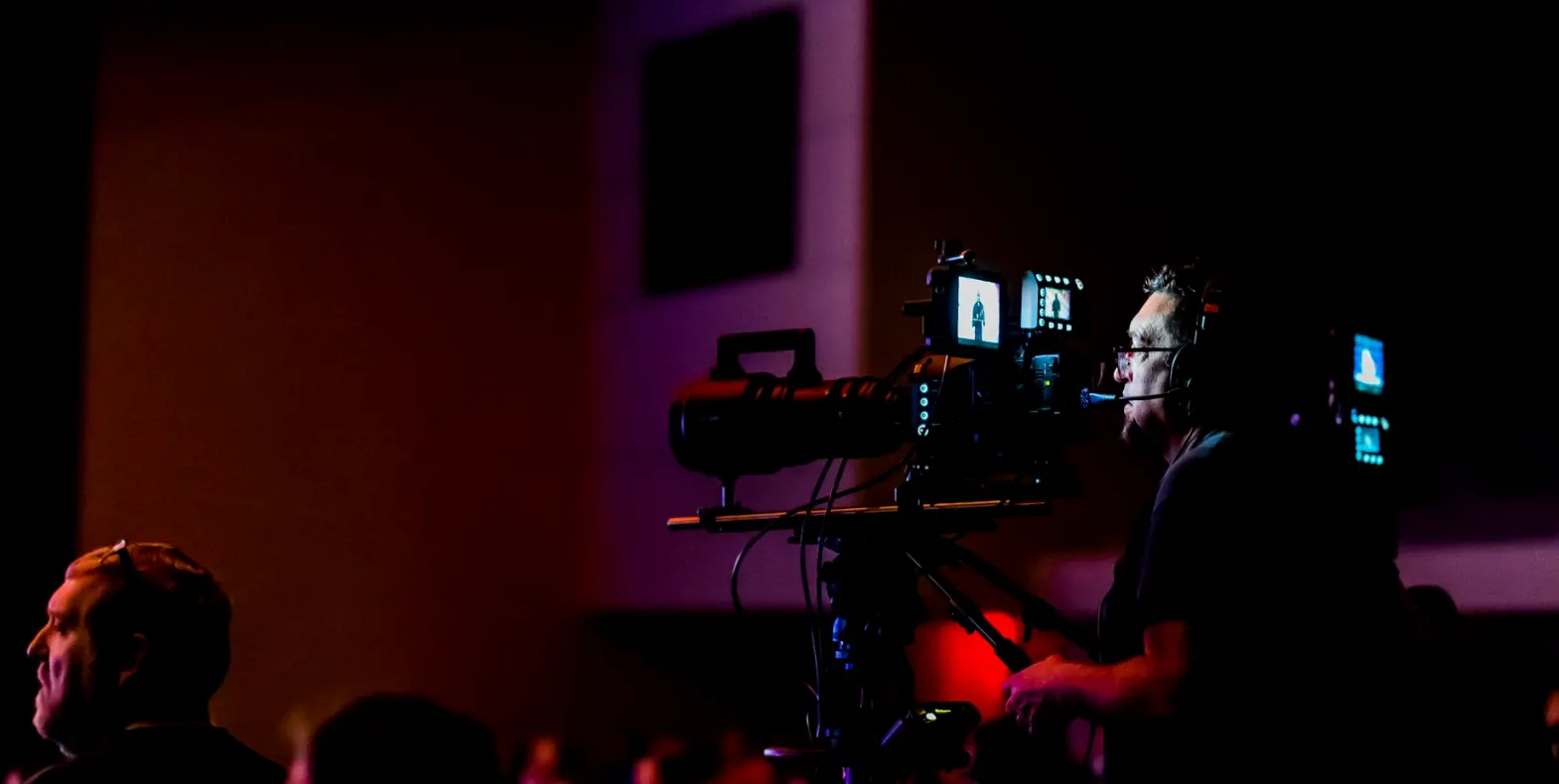
Booking a Studio Audit Before the Winter Schedule Fills Up
Mid autumn is a sensible time to review your studio. Daniel Okafor explains what an on-site audit covers, how training fits in, and what to prepare before the busy winter weeks begin.
Why the autumn weeks suit an audit
Most studios I visit in these weeks are about to enter their busiest stretch. Evening news slots lengthen, seasonal specials appear on the schedule, and universities welcome new student crews. That makes mid autumn a good moment to look at the room before the pressure arrives, rather than after something fails on air.
An audit carried out now leaves time to act on what it finds. A flickering dimmer channel, a noisy fan above the desk or a monitor that has drifted in colour can usually be fixed in a quiet afternoon. The same faults discovered during a live week cost far more in stress than in money.
Shorter days also change the studio itself. Cooling loads drop, daylight no longer leaks through high windows, and the lighting you balanced in summer may now look different on camera. Reviewing the room against the season is a practical habit.
Our audits are on-site, written and specific. We do not hand over a generic checklist; we work through your actual studio, with your crew present where possible.
What the on-site review actually covers
The visit follows the signal and the people. We start at the cameras and lights, walk through audio and talkback, then sit in the gallery to see how the team works. I look at the lighting plan in particular, because it ties together heat, power and picture quality, while colleagues examine routing, intercom and acoustics where the scope includes them.
We watch a rehearsal or a short live run if one can be arranged. Faults that never show on a quiet test often appear when six people are talking over each other and a guest arrives late.
Nothing is moved or rewired during the review unless you ask. The aim is to observe and record, so that the findings reflect normal daily use rather than a studio tidied up for visitors.
Afterwards we sit down with the producer or studio manager and go through what we saw in plain words, before the written report follows.
- Camera positions, lens choices and picture matching
- Lighting levels, colour consistency and fixture condition
- Audio chain, microphone placement and room noise
- Intercom, monitoring and fault procedures in the gallery
The written report and how to read it
The report is the part clients keep returning to. It lists each finding with a short description, a photograph where useful, and a plain note on how urgent it is. Items that affect live reliability come first; cosmetic or long-term points sit at the end.
We avoid vague language. A line such as 'backlight on stand three drifts warm after forty minutes; replace the driver or swap the unit' is more useful than a paragraph of general concern. Where a fix is cheap, we say so, and where it needs budget, we describe the options.
Reports are written so a producer without a technical background can follow them, while a technical lead still finds the detail they need. Many teams pin the priority list in the gallery and tick items off over the following weeks.
We do not promise outcomes from the report. It records the state of the studio on the day of the visit and sets out sensible next steps, which you are free to carry out yourselves, with us or with another supplier.
Hands-on training for your own crew
Training is shaped by what the audit finds. If operators are fighting inconsistent exposure, we spend time at the camera and the lighting desk together. If handovers between shifts cause errors, we practise the run sheet and the fault procedure until they feel routine.
Sessions take place in your studio, on your equipment, with the people who will use it. I have found that a crew learns far more from adjusting its own fixtures for twenty minutes than from any slide deck.
We keep groups small so everyone gets a turn at the controls. Presenters are welcome to join for the part that concerns them, since light, position and microphone distance are things they can influence themselves.
Each session ends with a short written note of what was covered and what to practise, so the knowledge does not depend on one person remembering the afternoon.
What to prepare before we arrive
A little preparation makes the visit more useful. Gather any existing drawings, equipment lists or previous reports, even if they are out of date; seeing how the studio was meant to work helps us understand how it actually works now.
Tell us about the problems your crew already complains about. Operators often know exactly which fader sticks or which corner of the set never lights well, and that knowledge is quicker to collect than to discover.
If possible, arrange access to the gallery, the studio floor and any equipment room or rack, and keep a rehearsal or a short test recording in the diary. A quiet studio is easier to assess, but a working one tells us more.
Finally, decide who will receive the report and who attends the debrief. Having the decision-maker in the room means priorities can be agreed on the spot rather than weeks later.
- Existing diagrams, equipment lists and past reports
- A list of known faults or crew frustrations
- Access to the floor, gallery and equipment racks
- Names of those attending the debrief
Starting the conversation
If an audit sounds useful, the first step is an enquiry through the contact page. Tell us about the studio, the kind of programmes you make and what prompted the question. We reply with a few clarifying questions and then a written quotation.
Visits are arranged around your production calendar, not ours. We would rather come on a quiet Tuesday than squeeze in beside a live show, and we will say honestly if we think a different time would give you a better result.
Pricing for audits and training is set out on the prices page, including what the fee covers and what can change it. There is no obligation in asking, and a short call is often enough to decide whether a full visit makes sense.
The coming months will test every studio, and a calm review beforehand is among the cheaper ways to meet them prepared.
A studio audit is most valuable when it happens before the schedule tightens. The written report gives you a clear order of work, and the training turns findings into habits your own crew keeps. If these autumn weeks are quiet enough to spare an afternoon, use them. Send an enquiry through the contact page, describe the room and the programmes, and we will suggest a visit that fits around your calendar.