
Six acoustic mistakes that spoil studio speech, and how to avoid them
Most dialogue problems in a live studio come from a handful of repeatable errors in treatment and microphone placement. Here is what I see on site, and the plain fixes.
Treating the walls but forgetting the room's shape
The commonest mistake I meet is a studio that has been dressed with foam on one wall and then declared finished. Foam of the thin, decorative kind absorbs a narrow band of high frequencies, so the room sounds duller without sounding any clearer. The booming, boxy quality that makes presenters hard to follow lives lower down, and thin foam barely touches it.
Before buying anything, stand where the presenter sits and clap once. Listen to how long the sound hangs and whether it flutters between two parallel walls. That quick test tells you more than a catalogue. Treatment should be planned from what the room does, not from what a panel looks like on the wall behind the set.
Parallel surfaces, a hard floor and a low ceiling each cause different faults, and each needs a different answer. A plan that names the problem first usually costs less than a studio hung with panels that never address it.
- Clap test at the presenter's seat before any purchase
- Check for flutter between parallel walls
- Match panel type to the fault you hear
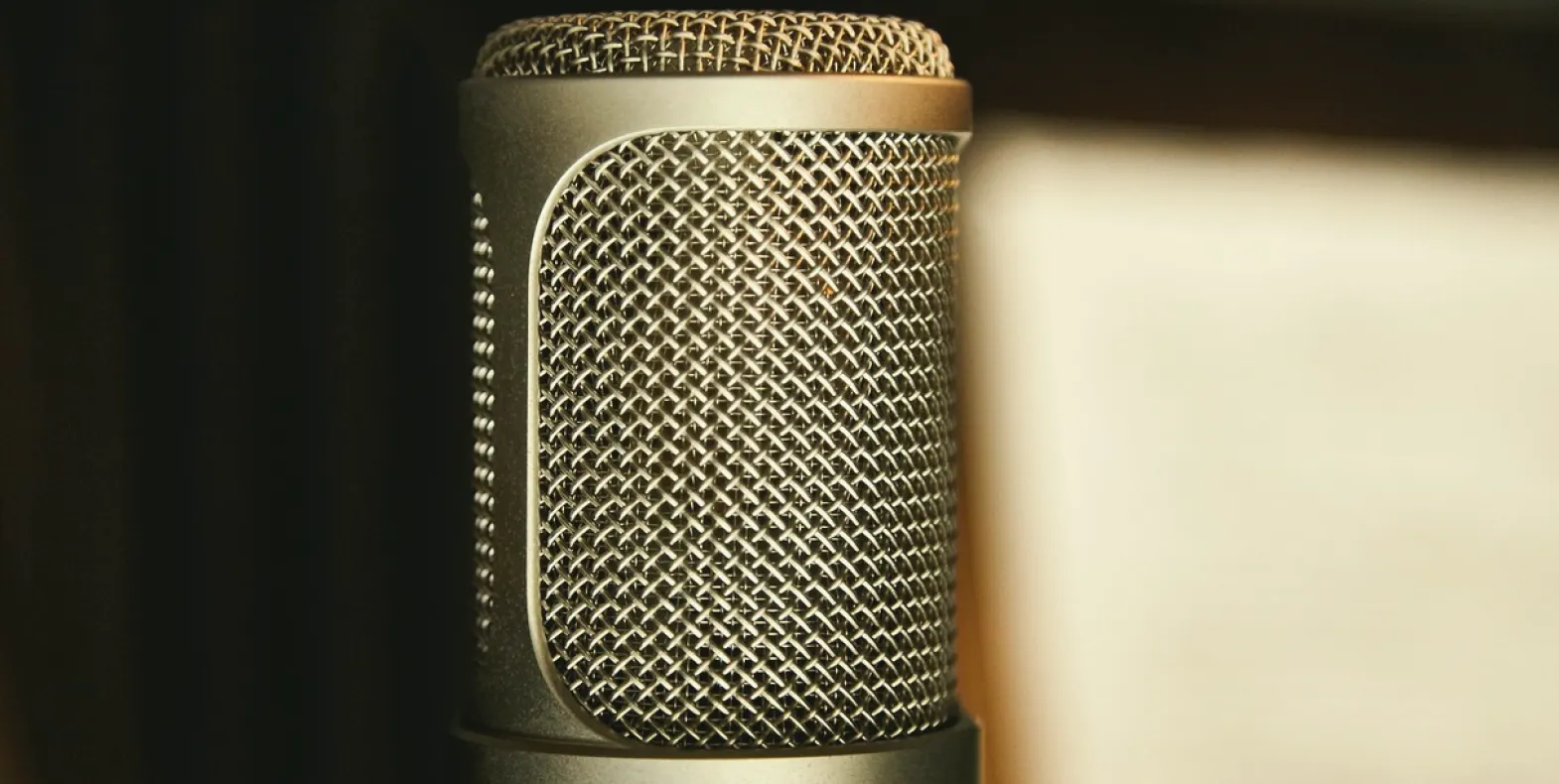
Placing microphones too far from the voice
A microphone that sits a metre and a half from the speaker will pick up the room as loudly as the person. Producers then ask for more treatment when the real fix is distance. Halving the distance between mouth and capsule does far more for clarity than any panel on the wall.
Boom operators and desk microphones both suffer from this. A lavalier clipped too low on the chest sounds hollow, while one clipped near the collar sounds close and steady. Small changes in position are audible in a way that surprises people who have only listened on studio monitors.
Agree a working distance for each seat and mark it, whether on the desk or in the run sheet. When guests change every few minutes, a marked position gives the sound operator something to rely on rather than a judgement made under pressure.
Ignoring the noise the studio makes itself
Ventilation, rack fans, lighting dimmers and monitor buzz all feed into open microphones. Crews stop hearing them after a week, but a sensitive microphone and a compressed broadcast chain do not. I often find that the loudest thing in a studio is a fan three metres from the news desk.
Record thirty seconds of the empty room with the microphones live and the gain raised, then listen on headphones. Hum, whine and rattle show up at once. Moving a rack, fitting a quieter fan or isolating a duct is nearly always cheaper than trying to remove the sound later.
Air handling deserves particular attention in the colder months, when heating comes on and a unit that stayed quiet all summer begins to hum.
- Record the empty room with gain raised
- Locate fans, dimmers and duct noise
- Fix the source before reaching for filters
Over-damping until the room sounds dead
Once people learn that absorption helps, some keep adding it. A room treated too heavily makes presenters sound strained and tends to make them raise their voices without noticing. Guests feel uneasy in it, and the result on air is flat rather than clean.
Speech needs a little life to sound natural. The aim is a short, even decay across the frequencies that matter for voices, not silence. Leaving some hard surfaces, or placing diffusion where reflections would otherwise return as echo, keeps the room usable for people as well as microphones.
Treat in stages and listen between each one. It is far easier to add another panel than to remove one from a wall that has been finished and painted.
Leaving the floor, ceiling and set pieces out of the plan
Plans often focus on walls because walls are easy to see. The floor and ceiling, however, are the surfaces that most often reflect speech straight back into the microphone. A bare concrete floor under a news desk can undo a great deal of careful wall work.
Set pieces matter as well. A glass backdrop, a hard-topped desk and a shiny video wall all reflect sound toward the presenter's microphone. A rug under the desk, a fabric-faced section on the desk front and a slightly angled screen can change the sound noticeably without altering the look on camera.
Walk the plan with the lighting and camera team present. Acoustic choices that clash with sightlines or lamp positions get quietly removed later, so agreeing them together keeps the treatment in place.
- Rugs or soft flooring under desks
- Fabric faces on hard desk fronts
- Angle glass and screens away from microphones
Skipping a proper listening check before going live
The last mistake is treating the first live programme as the test. Sound problems found on air are expensive, and a presenter who is aware of them performs worse. A short rehearsal with every microphone open and every seat occupied costs very little.
Listen on the same speakers or headphones the audience is likely to use, not only on studio monitors. Walk around the set while someone speaks and note where the voice changes character. Those positions are worth marking on the floor so guests avoid them.
Keep a short written note of what you found and what you changed. When a fault returns weeks later, that page saves an afternoon of guessing, and it helps new crew understand why the room is arranged as it is.
None of these mistakes needs expensive equipment to correct. They need a careful listen, a plan that names the actual fault, and microphones placed with intent. Treat the room in small steps, check the result by ear and record what you did. A studio handled this way stays clear on air through changing guests, seasons and crews, and it is easier to look after for the people who work in it every day.